Stroke: Causes, Symptoms, Diagnosis, and Treatment – A Complete Guide

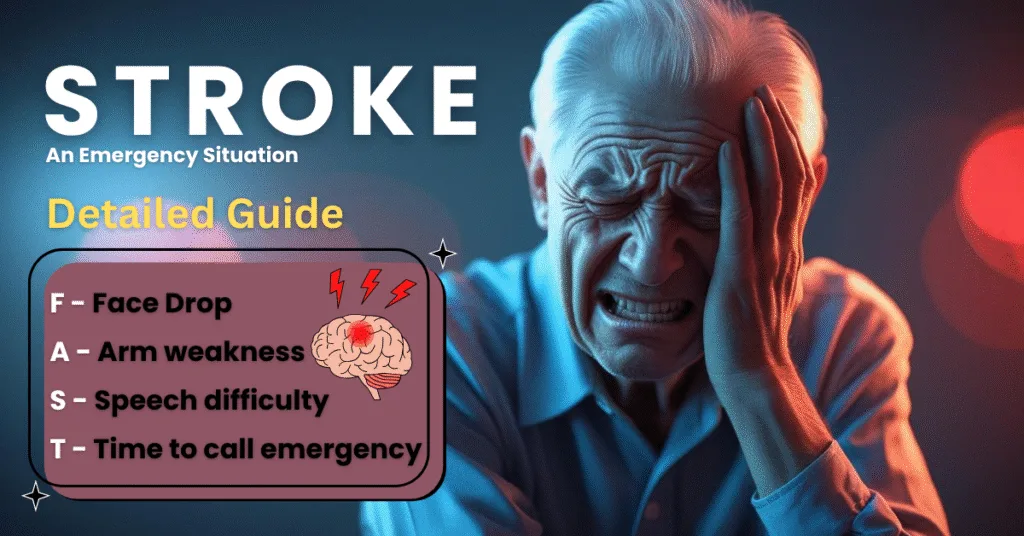
Timely treatment of stroke is extremely important. Early treatment not only saves lives but also improves the chances of recovery. Treatment depends on the type of stroke, ischemic (due to a blood clot) or haemorrhagic (due to bleeding) and how quickly the patient is brought to the hospital.
The first few hours of a stroke are the most crucial. In the case of an ischemic stroke, the most effective emergency treatment is a drug called tPA (tissue plasminogen activator), which works by dissolving blood clots. If given within 3 to 4.5 hours of the onset of symptoms, it can restore blood flow to the brain and save lives.
In some cases, doctors may perform stroke surgery, called mechanical thrombectomy. This involves inserting a small device into a blood vessel and removing the clot. In haemorrhagic strokes, surgery is used to stop bleeding or reduce pressure on the brain.
After emergency treatment, stroke rehabilitation is needed, which includes physical therapy, speech therapy, and occupational therapy. The goal is to regain lost abilities and help the person become self-sufficient again.
In addition, medications are given to prevent a second stroke, such as blood thinners, cholesterol-lowering drugs, and drugs to control blood pressure or diabetes. Lifestyle changes are also important, such as maintaining a balanced diet, quitting smoking, and managing stress.