Helicobacter pylori Is an Important Risk Factor
One of the most established risk factors for stomach cancer is infection with Helicobacter pylori (H. pylori).
Long-term H. pylori infection can cause chronic inflammation of the stomach lining and may contribute to changes that increase the risk of gastric cancer.
Because of this, appropriate testing and treatment of H. pylori can be an important part of managing stomach health, particularly in people with relevant risk factors.
The Future of Early Detection
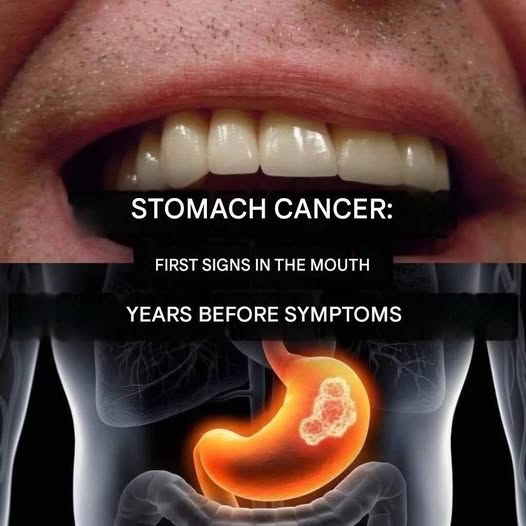
The idea of detecting stomach cancer risk through a simple mouthwash sample is still in the research stage, but the concept is exciting.
A future test could potentially involve something as simple as rinsing the mouth, collecting a sample, and analyzing the bacteria using molecular techniques.
Such a test could be particularly valuable because traditional endoscopy is more invasive and is not routinely used to screen everyone for stomach cancer in countries such as the United States.
For now, however, researchers need larger studies to determine whether oral microbiome testing can reliably identify people who truly have cancer or precancerous disease.
The Bottom Line
Your mouth may provide more information about your overall health than previously thought.
Research presented at DDW 2024 and subsequently published in Journal of Gastrointestinal Surgery found that people with stomach cancer and precancerous gastric conditions had distinctive oral microbiome patterns compared with healthy individuals.
The findings could eventually lead to a convenient, non-invasive method for assessing stomach cancer risk.
But a mouthwash test cannot currently diagnose stomach cancer, and it should not replace medical evaluation, endoscopy, biopsy, or other established diagnostic methods.
The most important message is simple: if persistent digestive symptoms occur, don’t rely on internet tests or home remedies. Talk to a qualified healthcare professional and ask whether further evaluation is appropriate.
ADVERTISEMENT