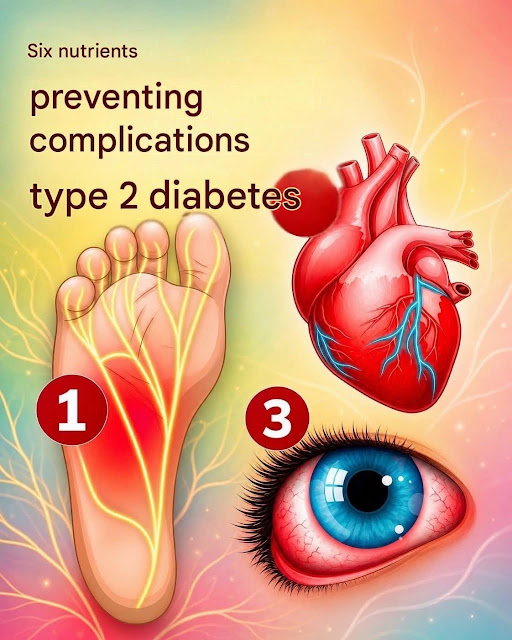
6 Important Nutrients That May Support Nerve, Heart, and Overall Health in People With Diabetes
Diabetes is a chronic condition that affects the way the body regulates blood glucose. When blood sugar remains elevated over time, it can gradually affect many parts of the body, including the heart, blood vessels, nerves, kidneys, and eyes.
This is why diabetes management involves much more than simply checking blood glucose.
A healthy eating pattern, regular physical activity, appropriate medical treatment, regular monitoring, and attention to blood pressure and cholesterol all play important roles in reducing the risk of complications.
Nutrition also matters.
Certain vitamins, minerals, and naturally occurring compounds help the body perform essential functions. Some nutrients are involved in nerve health, antioxidant protection, energy production, immune function, and the maintenance of healthy tissues.
However, it is important to understand that no vitamin or supplement can cure diabetes or reliably reverse its complications on its own.
Supplements may be helpful when a person has a confirmed deficiency or when a healthcare professional recommends them for a specific reason. In other cases, taking large doses may provide no benefit and could potentially cause harm.
With that in mind, here are six nutrients that deserve attention when discussing diabetes and overall health.
1. Benfotiamine: A Form of Vitamin B1
Benfotiamine is a fat-soluble derivative of thiamine, also known as vitamin B1.
Vitamin B1 is essential for normal energy metabolism and nervous system function. Benfotiamine has attracted scientific interest because it may influence certain biochemical pathways associated with high blood glucose.
Some research has investigated benfotiamine in relation to diabetic nerve complications, particularly peripheral neuropathy.
Diabetic neuropathy can cause symptoms such as:
- Tingling
- Burning sensations
- Numbness
- Shooting pain
- Increased sensitivity
- Reduced sensation in the feet or hands
However, the evidence regarding benfotiamine is not strong enough to claim that it can reliably prevent or reverse diabetic neuropathy in everyone.
Some studies have shown potential benefits, while other research has produced less conclusive results.
Why Nerve Protection Matters
People with diabetes should pay particular attention to foot health.
Reduced sensation can make it easier to overlook cuts, blisters, burns, or pressure injuries.
A small wound that goes unnoticed can become serious, especially when circulation is impaired or healing is delayed.
For this reason, daily foot inspection, appropriate footwear, blood glucose management, and regular medical checkups are important.
Benfotiamine may be considered by some people as part of a broader approach to nerve health, but it should not replace proven diabetes management.
What About Dosage?
There is no single universal dose that is appropriate for every person.
Supplement doses should be discussed with a healthcare professional, particularly when someone has kidney disease, takes multiple medications, or already uses other vitamin products.
More is not necessarily better.
2. Coenzyme Q10
Coenzyme Q10, often called CoQ10, is a naturally occurring compound involved in cellular energy production.
It is found throughout the body, with higher concentrations in organs that require substantial energy, including the heart.
CoQ10 also has antioxidant properties, which is one reason it has attracted interest in cardiovascular and metabolic research.
Some studies have investigated whether CoQ10 supplementation may influence markers such as blood pressure, oxidative stress, and metabolic health.
However, the evidence is mixed, and CoQ10 should not be viewed as a treatment for diabetes.
Natural Food Sources
CoQ10 occurs naturally in foods such as:
- Fatty fish
- Meat
- Organ meats
- Some vegetables
- Nuts and seeds
The amount obtained from food is generally much lower than the amount found in supplements.
People considering CoQ10 supplements should discuss their individual situation with a healthcare professional.
This is particularly important for people taking medication for blood pressure, blood clotting, or other cardiovascular conditions.
Recent Articles

My Date Paid for Dinner, But What Happened Next Left Me Shocked! – Story Of The Day!

Pick a Coffee Cup: A Soft Psychological Peek at Your Inner SelfPick a Coffee Cup: A Soft Psychological Peek at Your Inner Self
High blood pressure: foods to avoid, according to a doctor.(1 / 2)