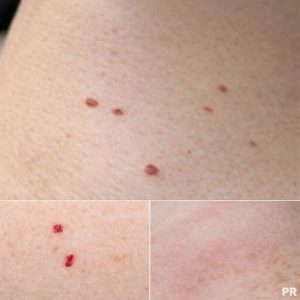
How can I tell the difference between seborrheic keratosis and melanoma?
Seborrheic keratosis typically has a waxy, well-defined, “stuck-on” appearance with uniform color. In contrast, melanoma often displays irregular borders, multiple colors, asymmetry, and rapid changes in size or shape. Dermatologists use the ABCDE rule to identify suspicious lesions. Any unusual or evolving growth should be examined promptly.
When should I see a doctor for seborrheic keratosis?
You should consult a dermatologist if a lesion changes rapidly, bleeds, becomes painful, or appears significantly different from others on your skin. Sudden outbreaks of multiple growths should also be evaluated. Professional assessment ensures accurate diagnosis and rules out skin cancer.
- American Academy of Dermatology Association – Seborrheic Keratoses: Overview, Diagnosis, and Treatment
- Mayo Clinic – Seborrheic Keratosis: Symptoms and Causes
- Cleveland Clinic – Seborrheic Keratosis: What It Is, Causes, Symptoms & Treatment
- DermNet NZ – Seborrhoeic Keratosis
- MedlinePlus (U.S. National Library of Medicine) – Seborrheic Keratosis
- National Center for Biotechnology Information (NCBI) – Seborrheic Keratosis (StatPearls)
- British Association of Dermatologists – Seborrhoeic Keratoses Patient Information Leaflet
- Merck Manual Consumer Version – Seborrheic Keratosis
Disclaimer This article is intended for informational and educational purposes only. We are not medical professionals, and this content does not replace professional medical advice, diagnosis, or treatment. The goal is to provide accurate, evidence-based information to raise awareness of causes. If you are experiencing persistent, severe, or concerning symptoms, you should seek guidance from a qualified healthcare provider. Read the full Disclaimer here →