Spot 8+ Subtle Colon Cancer Signs Before It’s Too Late

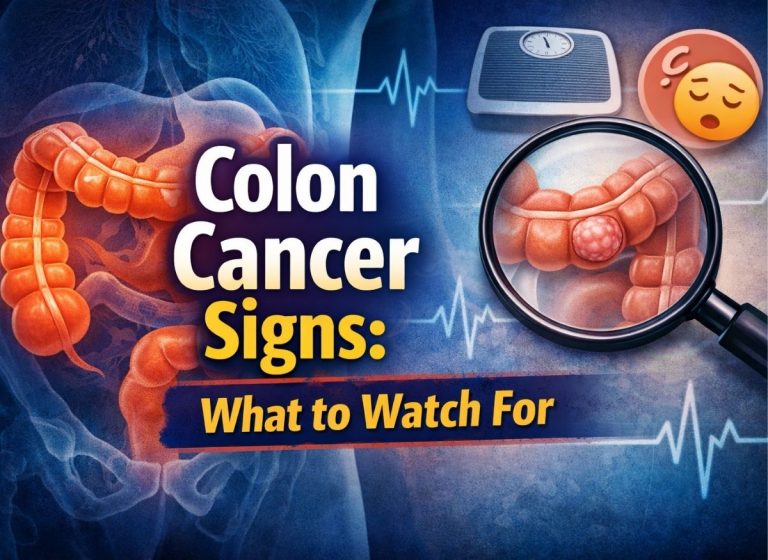
The presence of blood in the stool is a significant colon cancer sign and can appear in various forms, each providing important clues about the location of the bleeding within the gastrointestinal (GI) tract. The color and consistency of the blood can help doctors determine whether it originates from the upper or lower GI tract, and whether it’s a sign of colon cancer or another condition.
Bright red blood in the stool, known as hematochezia, typically indicates bleeding in the lower part of the colon or rectum. This blood is red because it hasn’t been digested yet and has passed through the intestines relatively quickly. You might notice the blood:
While bright red blood is often associated with hemorrhoids or anal fissures, it should never be dismissed as harmless without medical evaluation. These non-cancerous conditions can also cause blood in the stool, but any instance of hematochezia requires further investigation to rule out colon cancer or other serious GI conditions.
Melena refers to dark, black, sticky, tarry stools that are typically associated with bleeding higher up in the GI tract, such as in the upper colon or even the stomach. The black color comes from the blood being exposed to digestive enzymes and bacteria while passing through the intestines, which causes it to change color.
Melena is often indicative of slow, upper GI bleeding. In the case of colon cancer, tumors in the upper colon may bleed slowly, resulting in this dark, altered stool. If you notice black, tarry stools, it’s important to seek immediate medical attention to determine the cause.
Sometimes, blood loss in colon cancer is so slow and small that it doesn’t visibly change the color of the stool. This is called occult blood, which is not visible to the naked eye. Occult blood can be detected only through laboratory tests, such as the fecal immunochemical test (FIT) or the guaiac-based fecal occult blood test (gFOBT).
Occult blood is a common cause of iron-deficiency anemia in individuals with colon cancer. As the body loses small amounts of blood over time, it can lead to a decrease in red blood cells, which may result in symptoms like fatigue and weakness. This underscores the importance of regular screening for early detection, as small amounts of bleeding from colon cancer can go unnoticed for months or even years.
Regardless of whether the blood is bright red, dark and tarry, or occult (hidden), any presence of blood in the stool should be considered abnormal and requires immediate medical attention. Colon cancer is one of the leading causes of death from cancer, but early detection dramatically improves the chances of successful treatment. If you notice any form of blood in your stool, don’t wait. Consult with your healthcare provider to determine the underlying cause and take appropriate steps toward diagnosis and treatment.
Abdominal discomfort is one of the most common and concerning colon cancer signs. This discomfort is typically persistent and may be described as cramping, bloating, a feeling of fullness, or general abdominal pain that doesn’t resolve with time or usual remedies like over-the-counter medication or lifestyle changes. The discomfort is often caused by a tumor partially or fully obstructing the intestine, which can prevent stool and gas from passing through normally.