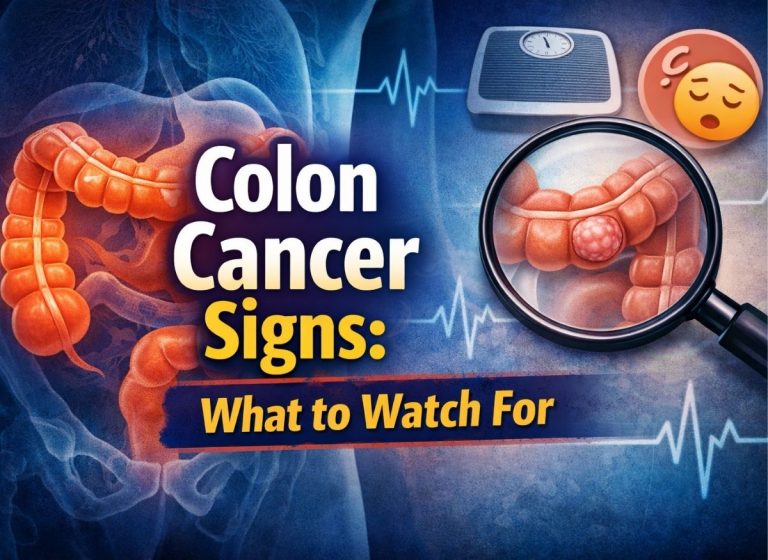
Risk Factors for Colon Cancer: What Increases the Likelihood of Developing It?
The likelihood of developing colon cancer is influenced by a combination of non-modifiable risk factors (such as age and genetics) and modifiable lifestyle factors (like diet, obesity, and smoking). While having one or more of these risk factors does not guarantee that a person will develop colon cancer, it does increase the statistical likelihood. Understanding your individual risk is crucial for developing an effective prevention and screening strategy in consultation with your healthcare provider.
Risk factors can generally be divided into two categories:
- Unchangeable (non-modifiable) factors, such as age and family history.
- Changeable (modifiable) factors, such as diet, physical activity, and smoking habits.
The interplay between these factors is complex. For example, someone with a strong genetic predisposition to colon cancer may further increase their risk through poor lifestyle choices, while someone without a family history may still develop the disease due to environmental factors and long-term lifestyle habits.
To evaluate your risk for colon cancer, it’s important to consider factors like your age, personal and family medical history, lifestyle habits (such as physical activity and diet), and other risk factors. Early awareness of these factors can empower you to make lifestyle changes that lower your overall risk.
What Are the Unchangeable Risk Factors for Colon Cancer?
Unchangeable, non-modifiable risk factors are those that you cannot control or alter. These include factors such as age, genetics, and personal medical history. While these factors do not guarantee the development of colon cancer, they significantly increase the likelihood of it occurring. Here are the primary non-modifiable risk factors:
1. Age
Age is the single most significant risk factor for colon cancer. Although the disease can occur at any age, the majority of cases are diagnosed in individuals over 45 years old. The risk of developing colon cancer increases with each decade of life, especially after the age of 50. As individuals age, the likelihood of developing polyps or other precancerous conditions also rises.
2. Personal History of Colorectal Polyps or Cancer
If you have had colorectal cancer in the past, even if it was completely removed, you are at a higher risk of developing new cancers elsewhere in the colon or rectum. Similarly, a history of adenomatous polyps (pre-cancerous growths) significantly increases your risk of developing colon cancer in the future.
3. Chronic Inflammatory Bowel Disease (IBD)
Conditions like Crohn’s disease or ulcerative colitis, which cause long-term inflammation in the colon, can elevate the risk of colon cancer. Chronic inflammation increases the likelihood of genetic changes in the cells of the colon, eventually leading to cancer. The longer you have IBD, the higher your risk.
4. Family History
Family history plays a major role in your risk of developing colon cancer. If you have a first-degree relative (parent, sibling, or child) who has had colorectal cancer or adenomatous polyps, your risk is significantly higher. The risk is even greater if the relative was diagnosed before the age of 50 or if multiple relatives have had the disease. It’s essential to discuss your family history with your healthcare provider, as this will influence your screening schedule and preventive measures.
5. Inherited Genetic Syndromes
While rare, about 5% of colorectal cancers are caused by inherited gene mutations. Two of the most common genetic syndromes associated with an increased risk of colon cancer are:
- Lynch syndrome (Hereditary Non-Polyposis Colorectal Cancer, HNPCC): This syndrome significantly increases the risk of colon cancer, especially at a young age. People with Lynch syndrome have a higher risk of developing colon cancer and other cancers as well.
- Familial Adenomatous Polyposis (FAP): Individuals with FAP develop numerous polyps in the colon, which are highly likely to turn cancerous if left untreated.
If you have a family history of colon cancer or other related cancers, genetic testing and counseling may be beneficial to assess your risk and discuss preventive measures.
Recent Articles

You won’t be fooled again after seeing this

News If a Woman Has Small Breasts, Does It Really Mean Anything About Her Personality or Body? Experts Break Down Common Myths, Social Stereotypes, Biological Facts, and Misconceptions, Revealing Why Body Features Do Not Define Character, Confidence, Health, or Worth, Challenging Outdated Beliefs and Encouraging a More Realistic, Respectful Understanding of Natural Human Diversity and individual differences

Massive python with swollen belly found under family’s shed — X-ray reveals its last meal