Effective At-home Treatments and Stretches for Iliotibial Band Syndrome
Effective at-home treatment for ITBS focuses on reducing inflammation during the acute phase and addressing the underlying muscular tightness and weakness that contribute to the condition.
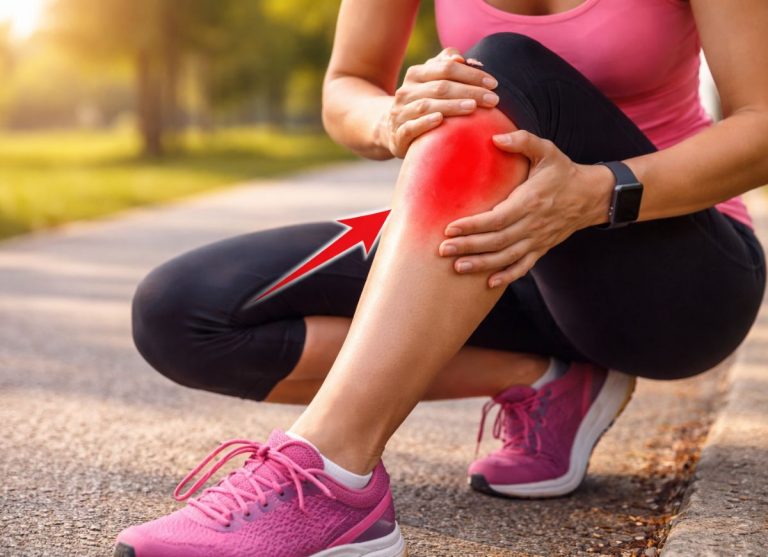
A critical first step is to modify or temporarily cease the aggravating activity, such as running or cycling, to allow the irritated tissue to calm down. During this initial painful phase, applying ice to the outside of the knee for 15-20 minutes several times a day can help manage pain and inflammation.
One of the most common self-care modalities is foam rolling, but it’s crucial to apply it correctly. Experts advise against aggressively foam rolling the IT band itself, as it is a thick band of connective tissue, not a muscle, and direct pressure can increase irritation.
Instead, the focus should be on rolling the muscles that attach to it. This includes the tensor fasciae latae (TFL), located at the front and side of your hip, and the gluteus maximus, the large muscle in your buttocks. Rolling these areas for 1-2 minutes can help release tension that pulls on the IT band. Alongside foam rolling, targeted stretching is essential.
A common and effective stretch is the standing IT band stretch, where you cross the affected leg behind the other and lean away, feeling a stretch along the outside of your hip. Stretches for the glutes, such as the pigeon pose or a figure-four stretch, are also beneficial for improving hip mobility.
Once the initial pain subsides, incorporating a strengthening program is key to long-term recovery and prevention. These at-home strategies are designed to correct the muscle imbalances that led to the problem in the first place.
Exercises like clamshells, side-lying leg raises, and monster walks with a resistance band are fundamental. These movements specifically target the gluteus medius, a key muscle for stabilizing the pelvis during weight-bearing activities.
Core stability is also important. A strong core provides a stable base for lower limb movement. Planks, side planks, and bird-dog exercises help improve trunk and pelvic control, reducing excessive motion that can strain the IT band.
Many people have underactive gluteal muscles. Simple exercises like hip bridges (glute bridges) help “wake up” these muscles, encouraging them to fire properly during activities like running and walking.