12 Key Signs of Charcot-Marie-Tooth Disease?
Foot Drop
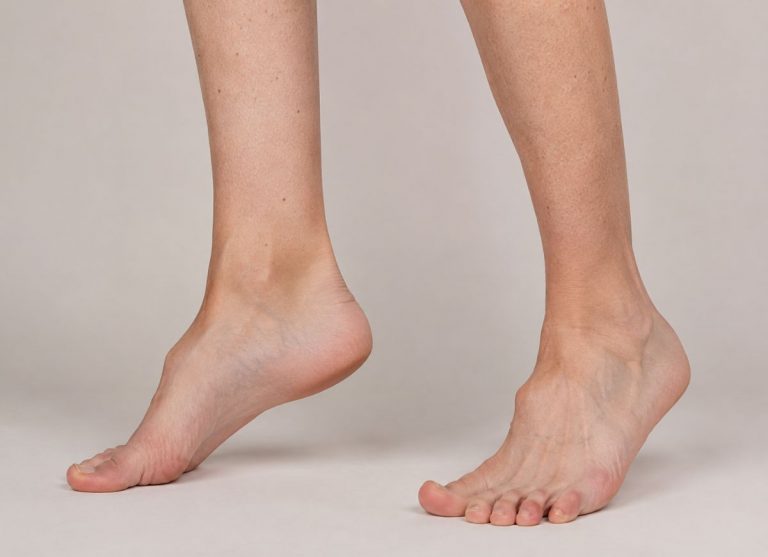
This is often one of the earliest and most noticeable signs. It is characterized by the inability to lift the front part of the foot due to weakness in the tibialis anterior muscle. To compensate, individuals often adopt a steppage or high-stepping gait, lifting their knee higher than normal to avoid tripping over their toes. This can make walking on uneven surfaces particularly challenging and increases the risk of falls.
High Arches (Pes Cavus)
Many individuals with CMT develop abnormally high arches in their feet. This structural change occurs because of an imbalance in muscle strength; the smaller intrinsic muscles within the foot weaken, allowing the stronger, larger muscles of the lower leg to pull the foot into a high-arched position. Pes cavus can cause foot pain, calluses on the ball and heel of the foot, and difficulty fitting into standard shoes.
Hammertoes
This condition involves the toes bending or curling downward at the middle joint, resembling a hammer. Like high arches, hammertoes result from muscle imbalances in the foot. The weakened muscles are unable to hold the toes in a straight position, leading to this deformity. Hammertoes can cause pain, corns, and calluses where the toes rub against footwear.
Muscle Atrophy
As the disease progresses, the muscles in the lower legs, particularly below the knee, begin to waste away. This muscle loss can lead to a very thin appearance of the calves, often described as an inverted champagne bottle or stork leg shape, where the lower leg is noticeably thinner than the thigh. This atrophy is a direct result of the denervation of the peroneal and tibial muscles.
Frequent Ankle Sprains
Weakness in the muscles that stabilize the ankle joint leads to chronic instability. This makes the ankle more susceptible to rolling or twisting, resulting in frequent sprains. This instability, combined with sensory loss that affects proprioception (the sense of where one’s body is in space), makes walking treacherous and can contribute to falls.
Weak Hand Grip
Individuals with CMT often experience a progressive loss of strength in their hands. This makes everyday tasks that require a firm grip, such as opening jars, turning doorknobs, or carrying heavy objects, increasingly difficult. The weakness affects the intrinsic muscles of the hand as well as the larger muscles of the forearm that control finger flexion. This can impact a person’s independence and may require the use of adaptive tools.
Loss of Fine Motor Skills
The combination of muscle weakness and sensory loss in the fingers leads to a decline in fine motor coordination. Tasks that require precise hand movements, such as buttoning a shirt, zipping a jacket, writing with a pen, or using a keyboard, become challenging and clumsy. This loss of dexterity is often one of the most impactful aspects of the disease, affecting work, hobbies, and personal care routines. Handwriting may become messy and difficult to read as the muscles needed for controlled finger movements weaken.
Muscle Wasting in the Hands
Similar to the muscle atrophy seen in the lower legs, the muscles in the hands can also begin to waste away. This is often most visible in the fleshy area between the thumb and index finger (the first dorsal interosseous muscle) and can create a hollowed-out or “skeletal” appearance. The loss of these small, intrinsic hand muscles is a major contributor to the weakness in grip and the decline in fine motor skills. This visible sign is a clear indicator of the progression of the disease into the upper extremities.