Numbness or Tingling
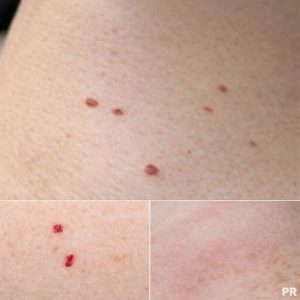
Damage to sensory nerves often results in a reduced ability to feel sensations like touch, pain, and temperature, particularly in the hands and feet. This often presents as numbness, a “pins and needles” sensation (paresthesia), or a burning feeling. This sensory loss can be dangerous, as it increases the risk of injuries like cuts or burns going unnoticed, which can lead to infections, especially on the feet.
Balance Problems
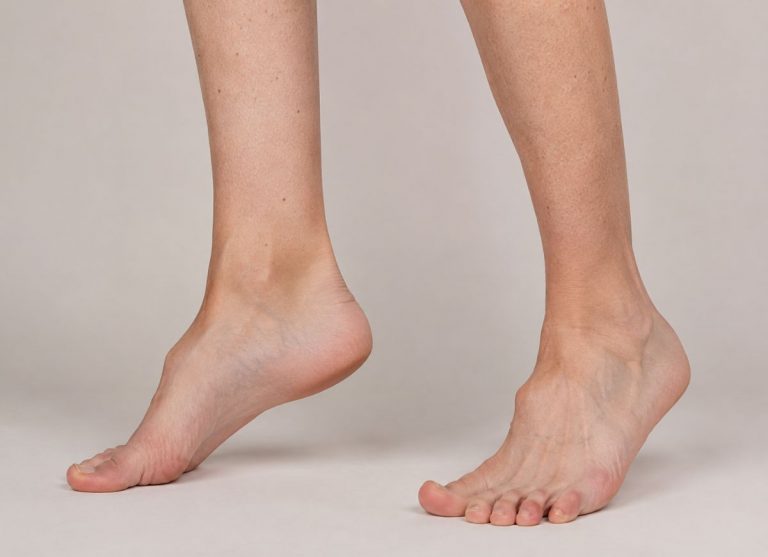
Poor balance is a multifaceted problem in CMT, stemming from a combination of factors. Muscle weakness in the ankles and legs, foot deformities like pes cavus, and the loss of proprioception all contribute. Proprioception is the body’s ability to sense its position in space, and when the sensory nerves in the feet that provide this feedback are damaged, the brain receives inaccurate information. This makes it difficult to maintain balance, especially on uneven ground or in the dark, leading to an increased risk of falls.
Chronic Neuropathic Pain
While some individuals with CMT experience little to no pain, many suffer from chronic neuropathic pain. This pain is caused by the damaged nerves sending abnormal signals to the brain. It is often described as a burning, aching, or shooting pain in the limbs. Musculoskeletal pain from joint deformities and muscle strain due to altered gait mechanics can also be a significant issue.
Scoliosis
Although not as common as the limb-related symptoms, a curvature of the spine (scoliosis) can occur in some individuals with CMT, particularly those with an early onset of the disease. It is believed to be caused by weakness and imbalance in the muscles of the trunk that support the spine. In severe cases, scoliosis can affect breathing and may require bracing or surgical correction.
What Causes Charcot-Marie-Tooth Disease?
Charcot-Marie-Tooth disease is caused by inherited mutations in genes that are responsible for the normal structure and function of the peripheral nerves. To understand better, these genes produce specific proteins that are vital components of either the axon (the nerve fiber) or the myelin sheath (the protective insulation around the axon).
When a mutation occurs, the resulting protein is either faulty or not produced in sufficient quantities, leading to the breakdown and dysfunction of the peripheral nerves. Over 100 different genes have been identified as causing various types of CMT, which explains the wide variability in symptoms and severity seen among patients.
The inheritance patterns of these gene mutations also differ; they can be passed down in an autosomal dominant, autosomal recessive, or X-linked manner. This genetic foundation means that CMT is not caused by lifestyle factors, injury, or infection but is instead a condition that is passed down through families from one generation to the next.
Charcot-Marie-Tooth disease is always a genetic disorder, but it is not always inherited from a parent in a traceable way, because a small percentage of cases arise from a spontaneous new mutation. Specifically, in most instances, an individual with CMT has inherited a faulty gene from one or both parents. A detailed family history will often reveal other relatives with similar symptoms, even if they were never formally diagnosed.