This follows standard inheritance patterns (autosomal dominant, autosomal recessive, or X-linked). However, in some cases, a person may be the first in their family to have CMT. This occurs when a de novo or spontaneous mutation happens in the egg or sperm cell of a parent or very early in embryonic development.
In this scenario, the parent does not have the faulty gene and therefore does not have CMT, but their child does and can then pass the condition on to their own children. So, while the cause is always a gene mutation, the origin of that mutation is not always a direct line of inheritance from an affected parent. Therefore, the absence of a family history does not rule out a diagnosis of CMT.
Charcot-Marie-Tooth Disease Diagnosis
Charcot-Marie-Tooth disease is diagnosed using a multi-step process that combines a thorough physical examination, specialized nerve function tests, and definitive genetic testing. To begin, the diagnostic journey typically starts when a patient presents with classic symptoms like foot drop, high arches, or hand weakness.
A primary care physician will often refer the patient to a neurologist, a specialist in disorders of the nervous system. The neurologist integrates information from the patient’s personal and family medical history with findings from a detailed neurological exam. If CMT is suspected, the diagnosis is further investigated with electrodiagnostic tests that directly measure nerve and muscle function.
The final and most precise step is often a genetic blood test, which can identify the specific gene mutation causing the disease, confirming the diagnosis and classifying the exact type of CMT. This comprehensive approach ensures that other potential causes of neuropathy are ruled out and provides a clear picture of the patient’s condition.
Physical Examinations
The physical examinations performed to diagnose CMT are a comprehensive neurological assessment that evaluates muscle strength, reflexes, sensation, and physical characteristics of the limbs. More specifically, a neurologist conducts a series of tests to look for the classic signs of the disease.
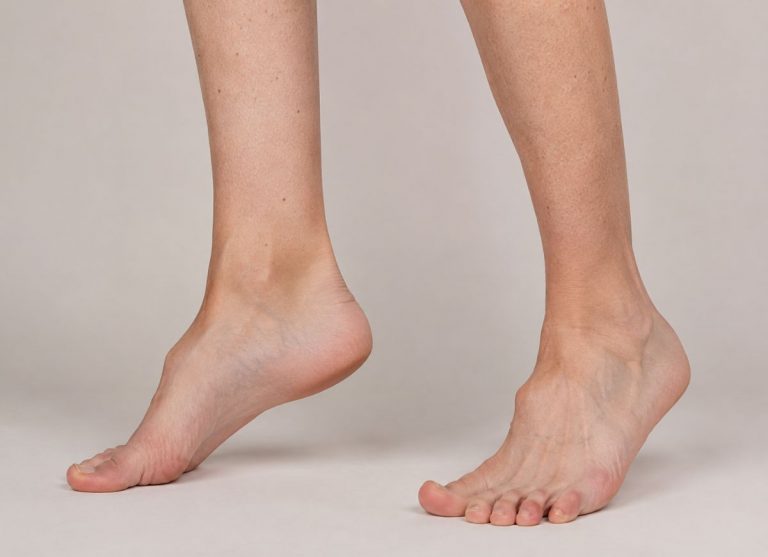
The doctor will test the strength of various muscle groups in the hands, arms, feet, and legs. They will look for patterns of weakness that are characteristic of CMT, such as weakness in the muscles that lift the foot (dorsiflexion) or spread the fingers. The physician will also visually inspect for muscle wasting (atrophy), particularly in the lower legs (“stork leg” appearance) and hands.
Deep tendon reflexes, such as the knee-jerk reflex, are often reduced or absent in individuals with CMT. The neurologist will use a reflex hammer to tap on tendons at the ankles, knees, and elbows to check the response. An absent ankle reflex is a very common finding.
The patient’s ability to feel different sensations is tested. This can involve checking for responses to light touch, pinprick, vibration (using a tuning fork), and temperature in the hands and feet. A stocking-glove pattern of sensory loss, where sensation is diminished in the feet and hands, is a hallmark of peripheral neuropathy.
The neurologist will ask the patient to walk in order to observe their gait. The presence of a high-stepping or “steppage” gait is a strong indicator of foot drop. The doctor will also examine the feet for structural deformities like high arches (pes cavus) and hammertoes.