How to Keep Your Bones Strong
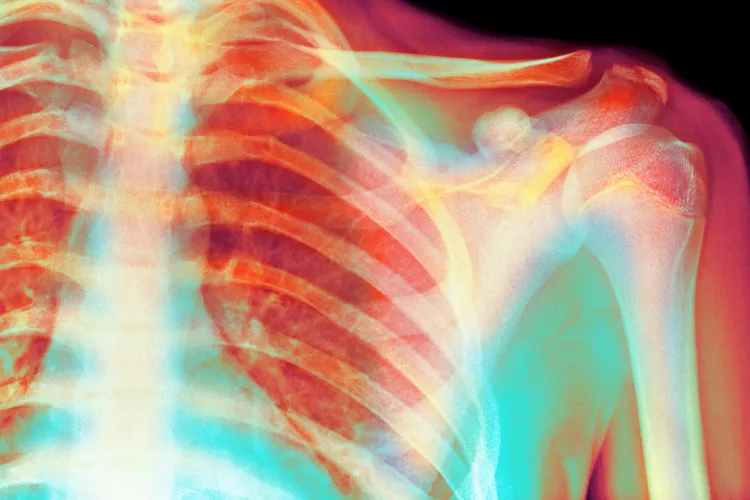
Instead of getting a scan that you may not need, experts said a better focus earlier in life is preventing bone loss through healthy lifestyle habits. Stellmeyer noted that these steps can reduce much of a person’s fracture risk.
“Adequate nutrition and physical activity to maximize bone growth are critical” at every stage of life, from childhood through adulthood, she explained.
On the nutrition front, getting enough vitamin D, protein, and especially calcium can make a real difference for bone health. Pessah-Pollack recommends 1,000 mg of calcium per day for women ages 19 to 50 and 1,200 mg per day for women over 50, ideally from food, though supplements can help fill nutritional gaps.
It’s also important to avoid smoking and limit alcohol consumption. Keep in mind that some medications, such as steroids, can accelerate bone loss.
For postmenopausal women, research suggests that exercise, particularly a combination of aerobic and resistance training, can significantly slow bone density loss.5 Stellmeyer also recommends balance training to help reduce falls and prevent fractures.
As Stellmeyer said, having healthy bones “is a life-long endeavor, and we all should be implementing age-appropriate measures to maximize our skeletal health.”