2. How do you relieve pancreatic pain?
Relieving pancreatic pain typically involves a combination of medical treatment and lifestyle changes. During a flare-up, it’s important to rest the pancreas by fasting or consuming clear liquids. Pain relief medications, including over-the-counter pain relievers and prescription drugs, may be prescribed.
In severe cases, a doctor may recommend hospitalization for fluids and stronger pain management. Avoiding alcohol and eating a low-fat, easily digestible diet can help prevent further irritation of the pancreas and alleviate pain in the long term.
3. What does pancreatitis pain feel like?
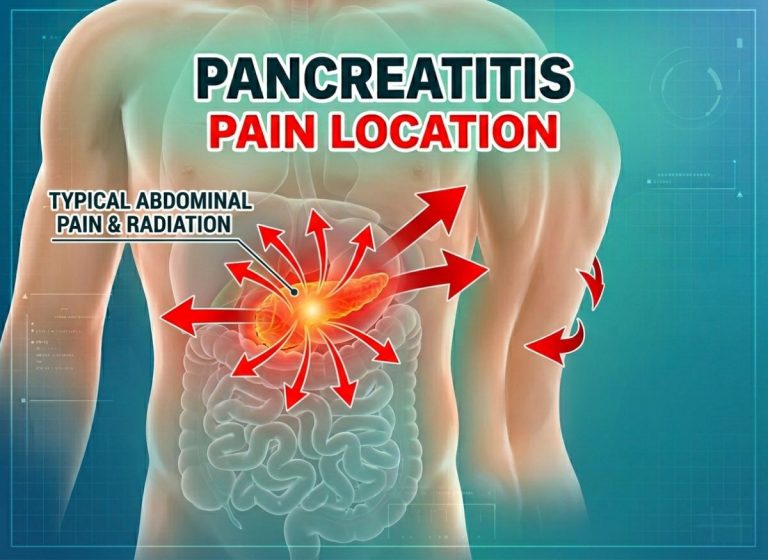
Pancreatitis pain is often described as sharp or stabbing, and it typically occurs in the upper abdomen, just below the ribs. It can radiate to the back, making it feel as though the pain extends across your stomach and spine.
The pain tends to worsen after eating, especially if you’ve consumed fatty foods. It may also be accompanied by nausea, vomiting, fever, and bloating, which can make the discomfort feel even more intense.
4. How long until pancreatitis goes away?
The duration of pancreatitis depends on the severity of the condition. Acute pancreatitis may improve within a few days to a week with proper treatment, such as fasting, pain management, and antibiotics if needed. However, chronic pancreatitis is a long-term condition that requires ongoing management. Recovery time can vary, and flare-ups can happen, leading to longer periods of pain and discomfort.
5. Can pancreatitis come on suddenly?
Yes, pancreatitis can develop suddenly, especially in cases of acute pancreatitis. It often begins with intense, sharp pain in the upper abdomen, accompanied by nausea, vomiting, and fever. This sudden onset of pain should be treated as a medical emergency, as untreated acute pancreatitis can lead to severe complications.
6. What not to do with pancreatitis?
If you have pancreatitis, avoid alcohol and smoking, as both can worsen inflammation and damage the pancreas further. It’s also important not to consume high-fat foods, which can strain the pancreas and trigger pain. Ignoring your symptoms or delaying medical treatment is another mistake to avoid, as untreated pancreatitis can lead to serious complications.