Pancreatitis Pain vs. Stomach Ulcer Pain
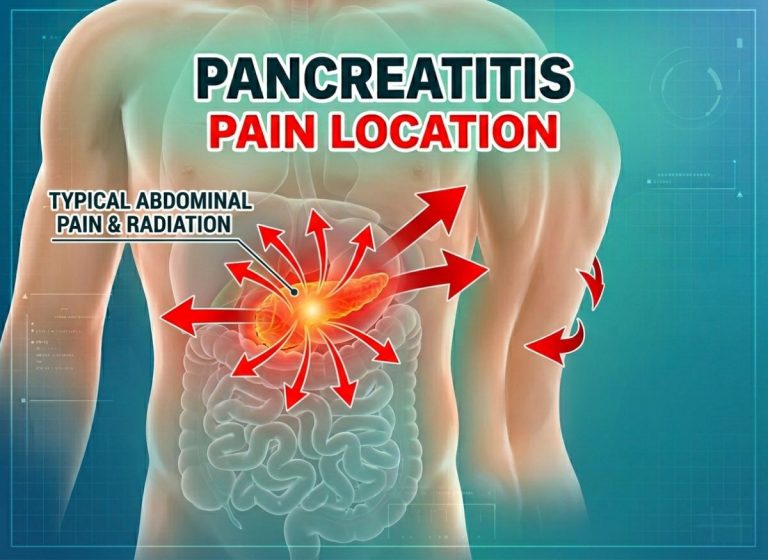
Pancreatitis pain is different from stomach ulcer pain primarily in its sensation, its relationship to food, and its radiation pattern. While both can cause discomfort in the upper abdomen, their characteristics are distinct. Pancreatitis pain is a sharp, constant, deep-seated pain that is almost always worsened by eating. In contrast, the pain from a stomach ulcer is typically described as a burning, gnawing, or aching sensation. It can feel like a persistent hunger pang and may come and go depending on stomach acid levels.
More specifically, the key differentiator is the effect of food. Eating any food, but especially high-fat meals, triggers the pancreas to release digestive enzymes, which drastically worsens the pain of pancreatitis. Conversely, the pain from a duodenal ulcer (an ulcer in the first part of the small intestine) is often temporarily relieved by eating or by taking antacids, as these actions help to buffer the stomach acid that is irritating the ulcer.
While a gastric ulcer (an ulcer in the stomach itself) can sometimes be worsened by eating, the sensation remains a burning ache rather than the sharp, boring pain of pancreatitis. Furthermore, ulcer pain is usually confined to the epigastric area and does not typically radiate to the back in the same intense, drilling manner that is so characteristic of pancreatitis.
Pancreatitis Pain vs. Gallstone Pain
Pancreatitis pain differs from gallstone pain (biliary colic) in its location, pattern, and consistency, even though both conditions can be triggered by fatty foods. The most significant distinction is the pain pattern. Gallstone pain is classically colicky, meaning it comes in intense, spasmodic waves.
These episodes of severe pain are caused by the gallbladder contracting against a blocked duct and can last from 30 minutes to several hours, but there are often periods of relief between attacks. Pancreatitis pain, on the other hand, is constant and unrelenting; it does not come and go in waves but persists at a high intensity for hours or even days.
To illustrate the differences in location, gallstone pain is typically located in the upper right abdomen, under the right rib cage, and it frequently radiates to the right shoulder blade or between the shoulder blades. In contrast, pancreatitis pain is more central, in the epigastric region, and radiates straight through to the mid-back, creating a band-like sensation.
It is important to note that a gallstone can cause pancreatitis if it travels out of the gallbladder and becomes lodged in the common bile duct, blocking the pancreatic duct. In such cases, a person might first experience the colicky, right-sided pain of a gallstone attack, which then evolves into the constant, central, back-radiating pain characteristic of acute pancreatitis as the pancreas becomes inflamed.