When to Seek Medical Help
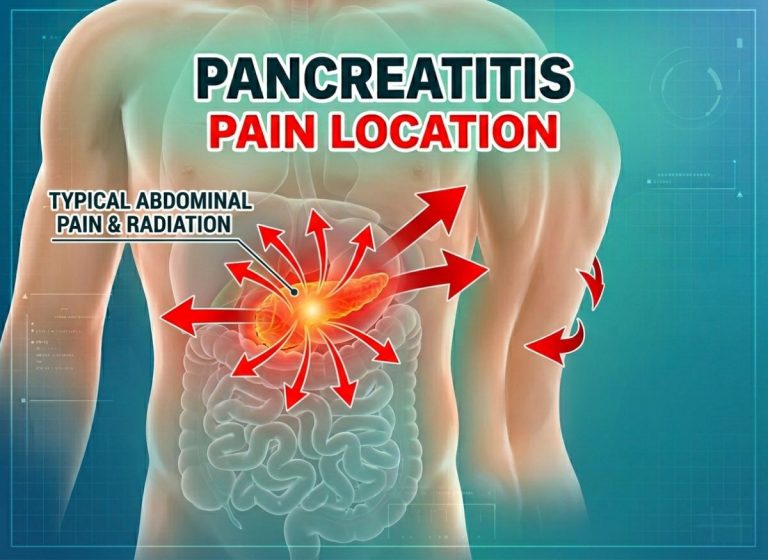
You should see a doctor immediately for upper belly or back pain if it is severe, constant, radiates to the back, worsens after eating, and is accompanied by red flag symptoms like fever, rapid heartbeat, nausea, and vomiting. These signs strongly suggest acute pancreatitis, a serious medical condition that requires urgent evaluation and treatment.
Ignoring such symptoms can lead to severe complications. To understand better when to seek help, it is crucial to recognize the specific triggers that exacerbate the pain and the associated symptoms that signal a medical emergency.
Actions to Make Pancreatitis Pain Worse
The most common actions that make pancreatitis pain worse are eating (especially high-fat foods), drinking alcohol, and lying flat on your back. These triggers directly increase inflammation and pressure on the pancreas. Eating stimulates the pancreas to produce and release powerful digestive enzymes to break down food. In a healthy pancreas, these enzymes are activated in the small intestine.
However, in pancreatitis, they become activated prematurely within the pancreas itself, leading to autodigestion, where the organ essentially digests its own tissue. This process causes immense inflammation and pain. Fatty foods are particularly problematic because they require a greater release of pancreatic enzymes for digestion.
Drinking alcohol is another major trigger and a leading cause of both acute and chronic pancreatitis. Alcohol is directly toxic to pancreatic cells and can cause metabolic changes that lead to premature enzyme activation and inflammation.
Consuming any amount of alcohol during an attack will severely worsen the pain and damage. Finally, body position plays a significant role. Lying flat on the back (in a supine position) often intensifies the pain because it increases tension on the peritoneum, the lining of the abdominal cavity, which is stretched over the swollen and inflamed pancreas.
In contrast, many individuals find that sitting up and leaning forward or curling into a fetal position provides a small degree of relief, as these postures reduce the pressure on the organ.
Constant Pancreatitis Pain
In acute pancreatitis, the pain is characteristically constant and severe; it does not come and go. This is a critical distinguishing feature. Once the pain begins, it typically builds to a peak intensity over a few hours and then remains at that high level for an extended period, often lasting for several days if not treated.
It is a relentless, steady pain that is not relieved by vomiting, passing gas, or changing positions (though some positions may be less agonizing than others). This unremitting nature is what often prompts people to seek emergency medical care, as the pain is simply too severe and persistent to manage at home.
The pattern can be different in chronic pancreatitis, which is a long-term, progressive inflammatory condition. In chronic pancreatitis, the pain may be more variable. Some individuals experience intermittent flare-ups of severe pain, similar to acute attacks, that last for hours or days and then subside. Others may develop a persistent, nagging, and debilitating daily pain that can be either moderate or severe.
In some advanced cases of chronic pancreatitis, the pain may eventually decrease or even disappear. This phenomenon, known as burnout, occurs when the pancreas becomes so damaged and scarred that it can no longer produce digestive enzymes, thereby stopping the cycle of autodigestion and inflammation. However, this is a late-stage complication associated with significant loss of pancreatic function.