Conclusion
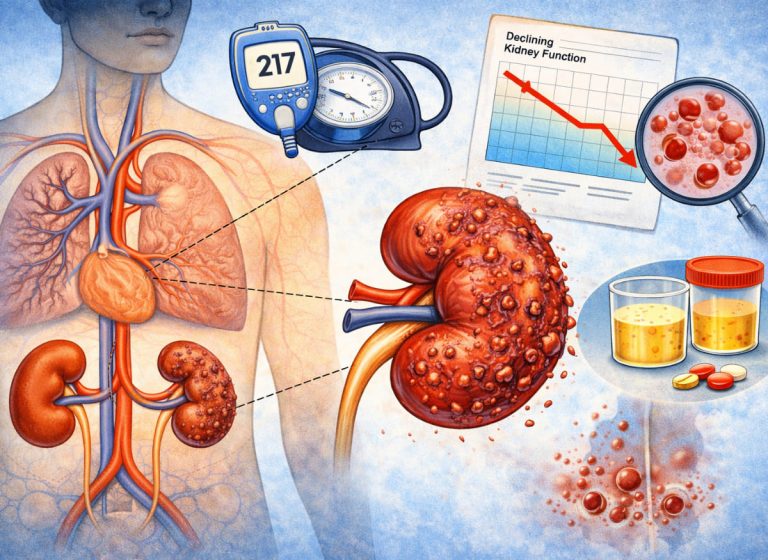
Chronic kidney disease is a long-term condition that often develops without clear warning signs, but its impact can be far-reaching if left unrecognized. By the time noticeable symptoms appear, kidney function may already be significantly reduced. This is why understanding the progression of CKD, from early subtle changes to more advanced symptoms, is essential for protecting overall health.
What makes a meaningful difference is early awareness and consistent management. Recognizing common symptoms, identifying risk factors such as diabetes and high blood pressure, and undergoing regular testing can help detect kidney disease at an earlier stage. With timely intervention, it is possible to slow the progression, reduce complications, and maintain better quality of life over time.
Although chronic kidney disease cannot usually be reversed, it can be managed effectively. A combination of medical care, lifestyle adjustments, and ongoing monitoring allows many individuals to live well with the condition. Taking proactive steps today can help preserve kidney function and support long-term health in the years ahead.
FAQs (Frequently Asked Questions)
What are the first signs of kidney disease?
The first signs of kidney disease are often mild and easy to overlook. Many people feel more tired than usual, notice slight swelling in the feet or ankles, or experience changes in urination such as going more often at night or seeing foamy urine.
Because these symptoms are not specific, they are often mistaken for stress or fatigue. This is why early-stage chronic kidney disease is frequently missed without routine testing.
How do I know if my kidneys are not working properly?
The most reliable way to check kidney function is through medical tests. Blood tests such as eGFR and creatinine levels show how well the kidneys are filtering waste, while urine tests can detect protein or blood as early signs of damage.
Symptoms alone are not enough to confirm kidney problems, especially in early stages. If you have risk factors like diabetes or high blood pressure, regular screening is important.
What are common symptoms of chronic kidney disease?
Common symptoms of chronic kidney disease include fatigue, swelling, changes in urination, and difficulty concentrating. As the condition progresses, people may also experience nausea, loss of appetite, and muscle cramps.
In advanced stages, symptoms become more severe, including shortness of breath, confusion, and fluid buildup. These occur because waste and excess fluid are no longer properly removed from the body.