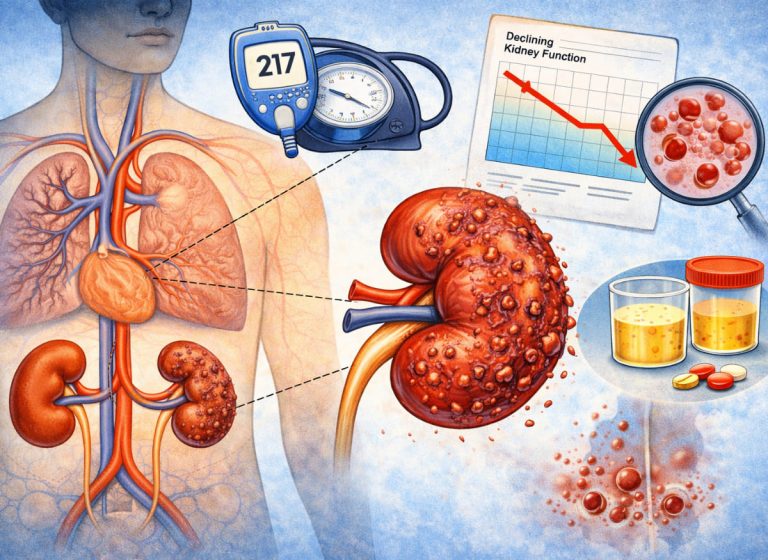
Managing Lifestyle Risks
While genetic factors cannot be changed, individuals can significantly reduce their risk of developing CKD through lifestyle modifications. Managing weight, quitting smoking, limiting the use of NSAIDs, and adopting a healthy, balanced diet are all important steps in preserving kidney health. Regular exercise, routine check-ups, and blood tests to monitor kidney function are also essential for individuals at risk.
By understanding and addressing both genetic and lifestyle factors, it is possible to not only prevent CKD but also manage it effectively if diagnosed early. Managing medical conditions, avoiding harmful substances, and making proactive lifestyle changes can reduce the overall burden on the kidneys and improve long-term health.
Key Strategies to Manage CKD Progression
Managing chronic kidney disease (CKD) involves a comprehensive approach that primarily focuses on controlling underlying conditions such as high blood pressure and diabetes, as well as adopting lifestyle changes and taking kidney-protective medications. These strategies, when implemented consistently, can significantly slow the disease’s progression and help preserve kidney function for as long as possible.
- Strict Blood Pressure Control: One of the most important interventions for CKD management is maintaining blood pressure at optimal levels. A target blood pressure of below 130/80 mmHg is often recommended. Medications like Angiotensin-Converting Enzyme (ACE) inhibitors and Angiotensin II Receptor Blockers (ARBs) not only lower blood pressure but also directly protect the kidneys by reducing pressure inside the glomeruli and helping decrease proteinuria.
- Blood Sugar Management: For diabetic patients, keeping blood sugar levels tightly controlled is crucial. The Hemoglobin A1c (HbA1c) should generally be kept below 7% to prevent further kidney damage. Newer diabetes medications, such as SGLT2 inhibitors and GLP-1 receptor agonists, have shown promise in slowing the progression of diabetic kidney disease and improving kidney function.
- Adopting a Kidney-Friendly Diet: A well-balanced kidney-friendly diet is central to CKD management. This typically involves:
Sodium Restriction: To manage blood pressure and prevent fluid retention.
Protein Limitation: Lowering protein intake reduces the workload on the kidneys and helps slow the buildup of uremic toxins.
Control of Phosphorus and Potassium Levels: In advanced stages, limiting foods high in phosphorus and potassium helps prevent dangerous accumulations in the blood.
Avoiding Nephrotoxic Substances: Avoid substances that could further damage the kidneys, such as NSAIDs, certain antibiotics, and contrast dyes used in imaging tests. Patients with CKD should make all healthcare providers aware of their condition to prevent exposure to nephrotoxic substances.Recent Articles