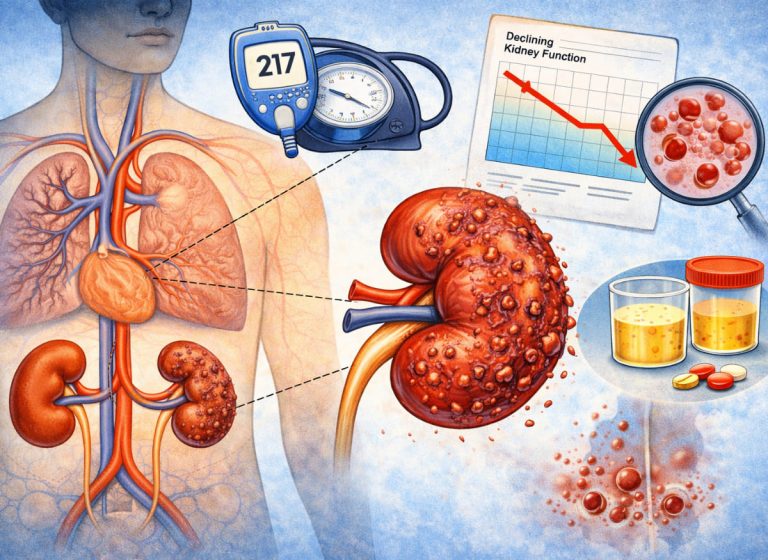
Diagnostic Process and Staging of CKD
The diagnostic process for CKD is aimed at determining the extent of kidney damage and guiding treatment decisions. The combination of GFR and ACR results allows doctors to classify CKD into five stages, each representing the degree of kidney dysfunction.
- Stage 1: Normal GFR (90 or above), with signs of kidney damage (e.g., proteinuria).
- Stage 2: GFR between 60-89, with signs of kidney damage.
- Stage 3: Moderate reduction in GFR (30-59).
- Stage 4: Severe reduction in GFR (15-29).
- Stage 5: End-stage kidney failure (GFR below 15), where dialysis or a kidney transplant is necessary.
Managing CKD Beyond Diagnosis
While diagnosing CKD is an essential step, long-term management is where the focus lies. This includes medical treatment to manage blood pressure, control diabetes, and reduce protein in the urine, as well as dietary modifications to slow the disease’s progression. For individuals with advanced stages, dialysis or kidney transplantation may be necessary.
Living with CKD also requires consistent follow-up with a healthcare team to monitor kidney function, adjust treatments, and address any complications that may arise, including cardiovascular problems, bone health, and anemia. By making informed lifestyle choices, such as avoiding nephrotoxic substances and adhering to a kidney-friendly diet, individuals can enhance their quality of life and extend kidney function.
Understanding and managing CKD involves a comprehensive approach, from early diagnosis to appropriate interventions that minimize the progression of the disease. Regular monitoring and a multi-disciplinary management plan are key in ensuring that individuals with CKD continue to live as healthy and productive lives as possible.
Managing chronic kidney disease involves not only recognizing the symptoms early but also adopting a structured approach to treatment, lifestyle adjustments, and dietary changes. Through early detection with GFR and ACR tests, patients can slow the progression of CKD and prevent kidney failure. Maintaining consistent monitoring, managing underlying conditions, and embracing a kidney-friendly lifestyle will help ensure the best outcomes and improve quality of life for those living with CKD. Early intervention remains crucial for preserving kidney function and enhancing the overall well-being of individuals at risk.