The Main Causes of Chronic Kidney Disease
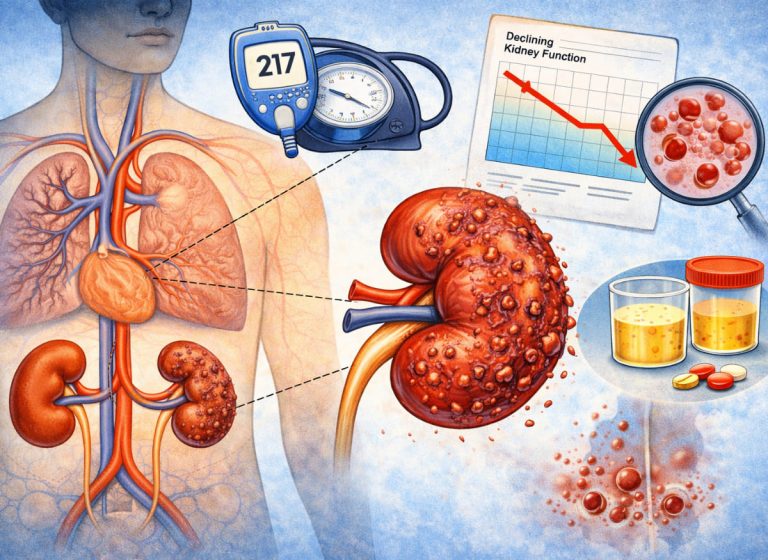
Chronic kidney disease (CKD) is a long-term condition where the kidneys gradually lose their ability to function. The primary causes of CKD are diabetes and high blood pressure (hypertension), which together account for over two-thirds of all cases. These conditions cause gradual damage to the kidney’s delicate filtering units and blood vessels, impairing kidney function over time. Although diabetes and hypertension are the leading culprits, CKD can also arise from other medical conditions such as glomerulonephritis, polycystic kidney disease (PKD), and prolonged urinary tract obstructions.
Understanding the main causes of CKD helps in identifying early risk factors and emphasizes the importance of prevention and early intervention.
The Leading Medical Conditions Behind CKD
1. Diabetes (Diabetic Nephropathy)
Diabetes is the most prevalent cause of chronic kidney disease. Persistently high blood sugar levels damage the tiny blood vessels in the kidneys, particularly the glomeruli, the filters that remove waste from the blood. This condition is referred to as diabetic nephropathy. Over time, as these blood vessels become damaged, proteins such as albumin leak into the urine, signaling kidney damage. If left unchecked, this damage can progress to kidney failure. Effective management of blood glucose levels is crucial in preventing or slowing down the progression of diabetic nephropathy and ultimately protecting kidney function.
2. High Blood Pressure (Hypertension)
High blood pressure puts continuous strain on the kidneys’ blood vessels. Over time, this pressure damages the afferent arterioles that supply blood to the glomeruli, restricting blood flow and causing irreversible damage. This leads to ischemia (lack of oxygen) in the kidney tissues, accelerating the damage and further contributing to CKD. As the kidneys deteriorate, they lose their ability to regulate blood pressure, exacerbating the condition in a vicious cycle. Proper blood pressure management is essential in slowing down the progression of kidney damage.
Other Contributing Factors to CKD
3. Glomerulonephritis
This group of diseases causes inflammation in the glomeruli, often triggered by infections or autoimmune diseases like lupus. Inflammation impairs the kidneys’ filtration ability, leading to proteinuria (excessive protein in the urine) and hematuria (blood in the urine). Chronic glomerulonephritis can result in scarring of kidney tissue and eventual kidney failure.
4. Polycystic Kidney Disease (PKD)
PKD is a genetic disorder that causes fluid-filled cysts to develop in the kidneys. These cysts can grow larger and multiply, eventually crowding out healthy kidney tissue and leading to kidney failure. PKD often leads to significant enlargement of the kidneys and worsens kidney function over time.
5. Urinary Tract Obstructions
Chronic obstructions, such as those caused by kidney stones, tumors, or enlarged prostate, can lead to a condition called hydronephrosis, where urine backs up into the kidneys. The constant pressure from this backup damages the kidney structures, impairing their function and potentially leading to kidney failure.
CKD develops slowly over months or years, often without noticeable symptoms until kidney function has significantly declined. Early-stage symptoms can be subtle and may include swelling (edema), fatigue, changes in urination, and appetite loss. As kidney function worsens, these symptoms become more pronounced, signaling the need for immediate medical intervention to prevent further damage.