Is It Possible to Reverse Chronic Kidney Disease?
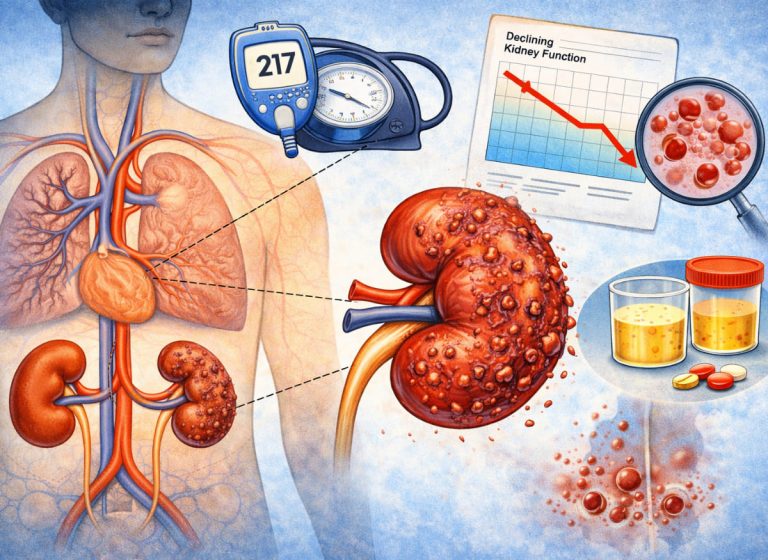
Unfortunately, chronic kidney disease (CKD) cannot be reversed. The damage to kidney tissue, such as scarring (fibrosis) and the loss of nephrons, is irreversible. Unlike acute kidney injury (AKI), where kidney function can often be fully restored with prompt treatment, CKD involves a progressive decline in kidney function that cannot be undone.
However, this does not mean there is no hope. Though the damage cannot be reversed, the progression of CKD can be significantly slowed. Through careful management of blood pressure, blood sugar, diet, and medications, patients can preserve existing kidney function and prevent further deterioration. In many cases, especially with early detection and optimal management, individuals may live a long, healthy life without needing dialysis or a kidney transplant.
The key takeaway is that, while CKD is a chronic and progressive disease, its progression can be controlled. Early diagnosis, lifestyle adjustments, and appropriate treatment can all help manage the disease effectively, leading to a better quality of life and potentially delaying or preventing kidney failure.
Chronic kidney disease (CKD) is a progressive condition that requires ongoing management, but with the right strategies, patients can significantly slow its progression. Strict control of blood pressure and blood sugar, a kidney-friendly diet, and proper medication can help preserve kidney function. Early detection and proactive management are the most important factors in preventing kidney failure, and with the right care, individuals with CKD can live healthy, productive lives.