Chronic Kidney Disease: Symptoms, Causes, and What You Need to Know

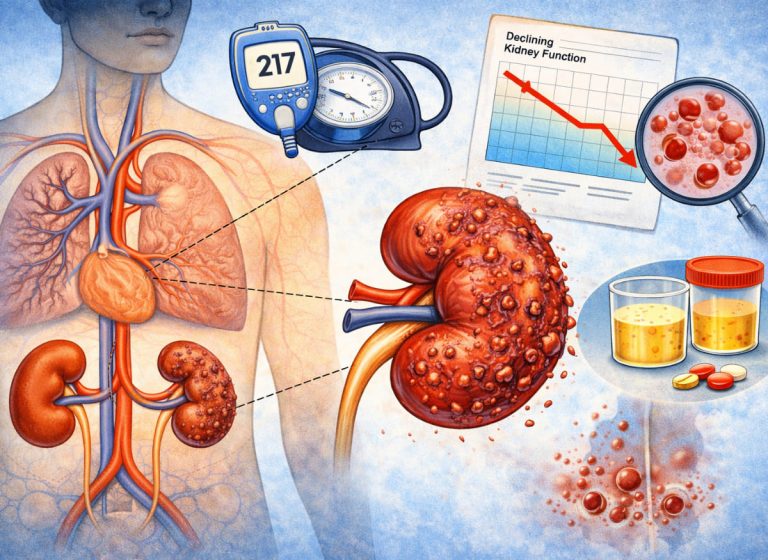
What Are the Symptoms of Chronic Kidney Disease?
Chronic kidney disease (CKD) often develops slowly over time, with symptoms that can be subtle or completely absent in the early stages. As kidney function declines, however, the symptoms become more noticeable and severe. Key indicators of CKD include fatigue, swelling (edema), changes in urination, shortness of breath, and loss of appetite.
Because the kidneys can compensate for lost function for an extended period, many individuals may not experience noticeable symptoms until their kidney function is reduced by 50-75%. This gradual progression, often referred to as the “silent” progression of CKD, underscores the importance of early detection through screening, especially for those at high risk. Early diagnosis is crucial, as it offers the best opportunity to slow the disease’s progression and preserve kidney function.
What Are the Early Signs of Chronic Kidney Disease?
The early signs of chronic kidney disease can be subtle and are often mistaken for other health conditions, which is why CKD often goes undiagnosed until it has reached more advanced stages. Some of the first warning signs of kidney issues include persistent puffiness around the eyes, swollen feet and ankles, increased urination, particularly at night, foamy or bubbly urine, and unexplained fatigue. These early symptoms indicate that the kidneys are struggling to perform their essential functions, such as filtering waste, balancing fluid and electrolytes, and producing hormones. Recognizing these early indicators is crucial for initiating early interventions to slow disease progression.
More Specifically, These Early Warning Signs of Chronic Kidney Disease Include:
- Swelling (Edema): As kidney function declines, they lose the ability to remove excess sodium and fluid from the body, leading to fluid retention. This often presents as puffiness around the eyes (periorbital edema) or swelling in the feet, ankles, and legs (peripheral edema).
- Changes in Urination: Healthy kidneys concentrate urine, but as CKD progresses, kidneys may lose this ability. This can cause nocturia (increased urination at night) and changes in urine appearance, such as persistently foamy or bubbly urine. The presence of foam indicates protein in the urine (proteinuria), which is a red flag for kidney damage.
- Persistent Fatigue and Weakness: The kidneys produce erythropoietin (EPO), a hormone that signals the bone marrow to produce red blood cells. In CKD, as kidney function declines, EPO production drops, leading to anemia. Anemia reduces the oxygen delivered to muscles and tissues, causing chronic fatigue, weakness, and difficulty concentrating that does not improve with rest.
Recent Articles