Can Lifestyle Factors and Genetics Cause Chronic Kidney Disease?
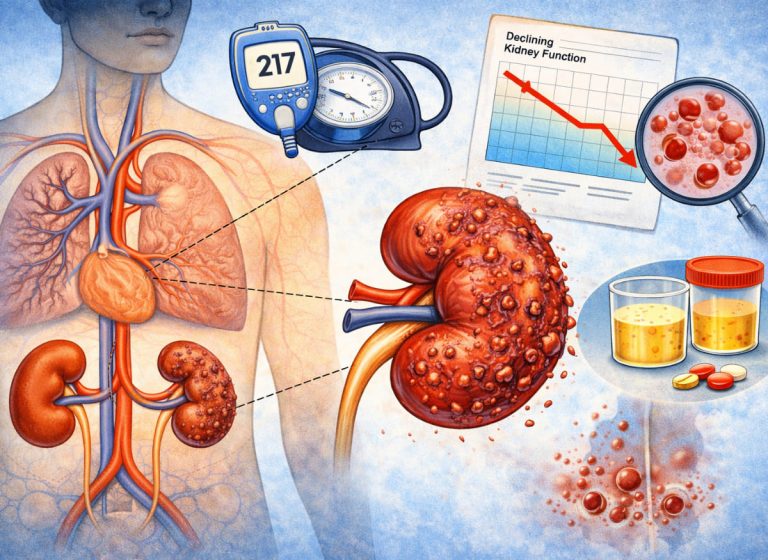
Yes, both lifestyle factors and genetics are significant contributors to the development and progression of chronic kidney disease (CKD). While medical conditions like diabetes and high blood pressure are the primary causes of CKD, a person’s genetic predisposition and daily lifestyle choices can heavily influence their risk of kidney damage. Understanding how these factors interplay can provide essential insights into both preventing and managing CKD.
Genetics and Chronic Kidney Disease
Genetic factors play a critical role in CKD susceptibility. A family history of kidney disease is one of the strongest indicators of an increased risk. Certain ethnic groups, including African Americans, Hispanics, and Native Americans, are at a higher risk for CKD, partly due to the higher prevalence of diabetes and hypertension within these populations.
However, genetics may also increase susceptibility to kidney damage, independent of these conditions. For example, inherited disorders like Polycystic Kidney Disease (PKD) and Alport syndrome are direct genetic causes of CKD, where specific mutations lead to kidney dysfunction over time. These diseases highlight the significant role genetics plays in the pathogenesis of kidney disease.
Lifestyle Factors That Contribute to Chronic Kidney Disease
Several lifestyle factors are closely linked to the development and progression of CKD, particularly through their impact on diabetes, hypertension, and overall kidney health. Addressing these factors can help mitigate the risk of kidney damage and support long-term kidney function.
- Smoking: Smoking is a major, independent risk factor for CKD. The toxins in cigarette smoke impair blood flow to vital organs, including the kidneys. Smoking also accelerates the progression of existing kidney disease by contributing to arteriosclerosis (hardening of the arteries) in the renal blood vessels. This restricts blood flow to the kidneys, impairing their ability to filter waste and balance fluids.
- Obesity: Being overweight or obese significantly raises the likelihood of developing diabetes and high blood pressure, both of which are leading causes of CKD. Additionally, obesity places extra stress on the kidneys by increasing the workload on the glomeruli (the kidney’s filtration units), leading to a phenomenon called glomerular hyperfiltration. Over time, this extra strain can cause kidney damage.
- Overuse of Certain Medications: Chronic use of medications like NSAIDs (e.g., ibuprofen, naproxen) can harm the kidneys. These drugs reduce blood flow to the kidneys and, when used long-term, can cause chronic interstitial nephritis, a type of kidney damage. It’s essential for individuals—especially those with pre-existing kidney issues—to use these medications cautiously and under medical supervision to avoid further harm.
- Diet: A diet high in sodium, processed foods, and sugar contributes to the development of high blood pressure and diabetes, both of which are major risk factors for CKD. Consuming too much salt, sugar, and processed food can worsen hypertension and increase insulin resistance, further stressing the kidneys. Conversely, a diet rich in fruits, vegetables, whole grains, and lean proteins can help maintain healthy kidney function by managing blood pressure and blood sugar levels.
Recent Articles